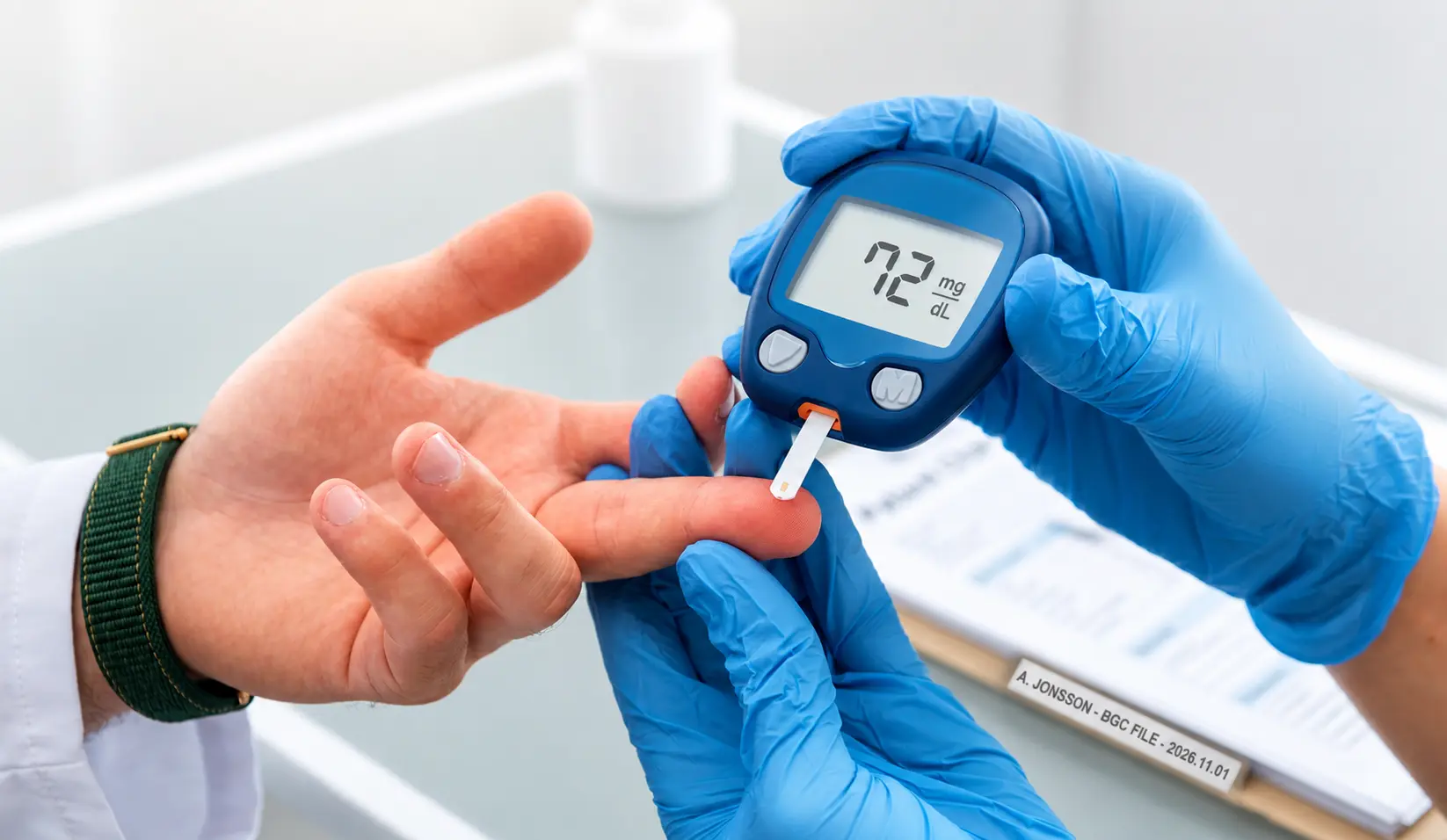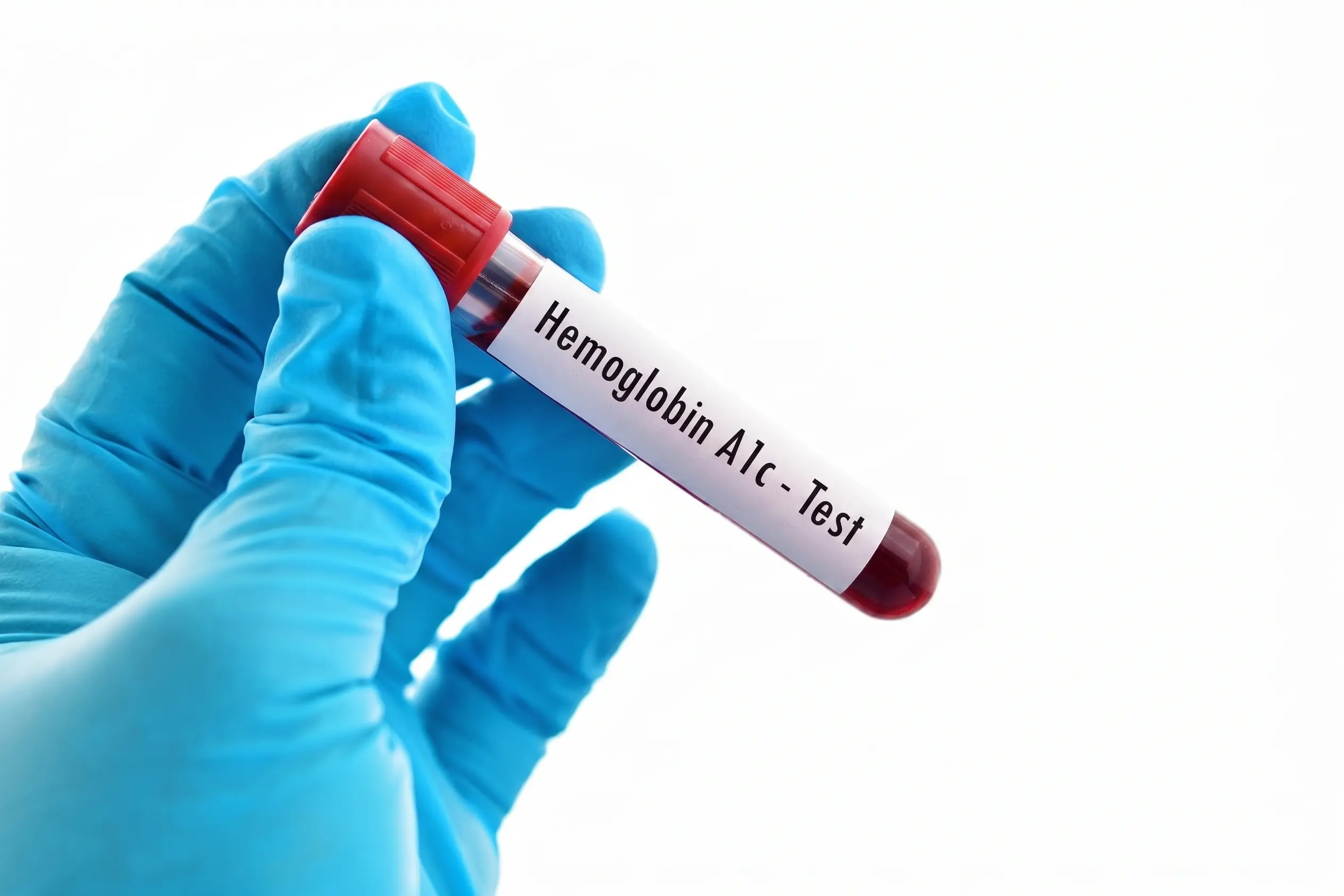
High Blood Sugar Symptoms & Why HbA1c Test Is Important
May 25, 2026
Introduction High blood sugar is a growing health concern, yet many people ignore...
Read More →Jun 05, 2026

Introduction
Heart disease remains one of the leading causes of death worldwide, and many people fail to recognize the early signs of a heart attack until it becomes a medical emergency. Understanding the warning signs can help you seek treatment quickly and reduce the risk of serious complications.
Many symptoms are often mistaken for fatigue, stress, or indigestion. Learning the difference between indigestion and heart attack symptoms can help save lives. Regular health monitoring and preventive care are essential for maintaining heart health.
What Is a Heart Attack?
A heart attack occurs when blood flow to the heart muscle is blocked, depriving it of oxygen and causing damage to the heart tissue.
While some heart attacks occur suddenly, others develop gradually with warning signs that should never be ignored. In some cases, people may even experience silent heart attack signs without realizing the seriousness of their condition.
Early Signs of a Heart Attack
1. Chest Pain or Discomfort
The most common symptom is chest pain or pressure. Many people describe it as:
Knowing the difference between indigestion and heart attack symptoms is important, especially when discomfort persists or worsens.
2. Left Arm Pain and Body Discomfort
One of the classic heart attack symptoms checklist indicators is pain that spreads beyond the chest.
Pain may radiate to:
Left arm pain heart attack warning signs should never be ignored, especially when combined with chest discomfort.
3. Shortness of Breath
Difficulty breathing may occur before or during a heart attack.
Common signs include:
Shortness of breath can sometimes be one of the earliest atypical heart attack symptoms.
4. Unusual Fatigue
Persistent exhaustion without a clear cause can be a warning sign.
Symptoms may include:
Many people overlook unusual fatigue and heart attack risk, particularly older adults and women.
5. Cold Sweats and Dizziness
Unexpected sweating or dizziness may indicate reduced blood flow to the heart.
Watch for:
These cold sweats and dizziness symptoms often occur alongside other heart attack warning signs.
Silent Heart Attack Signs
Not every heart attack causes severe chest pain.
Some people experience:
These silent heart attack signs can easily be mistaken for less serious conditions, delaying treatment.
Risk Factors You Should Know
Certain health conditions significantly increase heart attack risk:
There is a strong connection between diabetes and heart attack risk, making regular monitoring especially important for diabetic patients.
Why Regular Health Monitoring Matters
Preventive care can help identify risk factors before they become life-threatening.
Important health checks include:
Regular vital signs monitoring helps detect changes early and supports better long-term health outcomes.
For patients with hypertension, managing hypertension at home through consistent monitoring can significantly reduce cardiovascular risks.
Benefits of Home Healthcare Services in Karachi
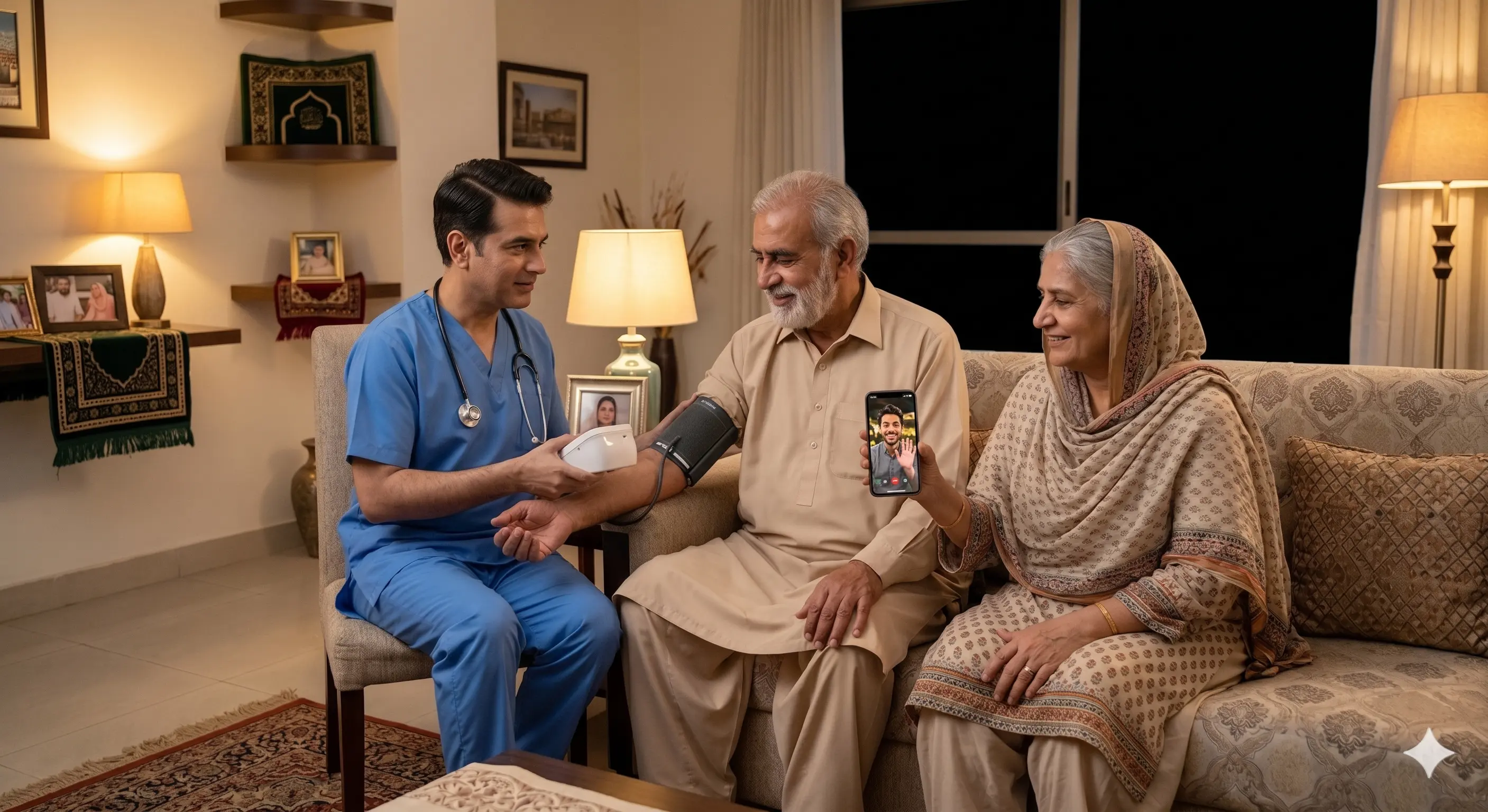
Professional home healthcare services in Karachi allow patients to monitor their health without frequent hospital visits.
Benefits include:
These services help patients stay proactive about their heart health while remaining comfortable at home.
When Should You Seek Emergency Medical Help?
Seek immediate medical attention if you experience:
Quick action can significantly improve survival and recovery outcomes.
Heart Disease Prevention Starts Early
The best approach to heart health is prevention.
Simple steps include:
A heart disease prevention checkup can help identify risks before symptoms develop.
Conclusion
Recognizing the early signs of a heart attack can save lives. Symptoms such as chest discomfort, left arm pain, unusual fatigue, shortness of breath, and cold sweats should never be ignored.
Regular monitoring, healthy lifestyle choices, and timely medical care can help reduce the risk of heart disease and improve overall well-being.
With professional home healthcare services in Karachi, patients can benefit from regular health assessments, blood pressure monitoring, and personalized care from the comfort of home.
📞 Phone: 0318-2800021
🌐 Website: www.sehet.pk